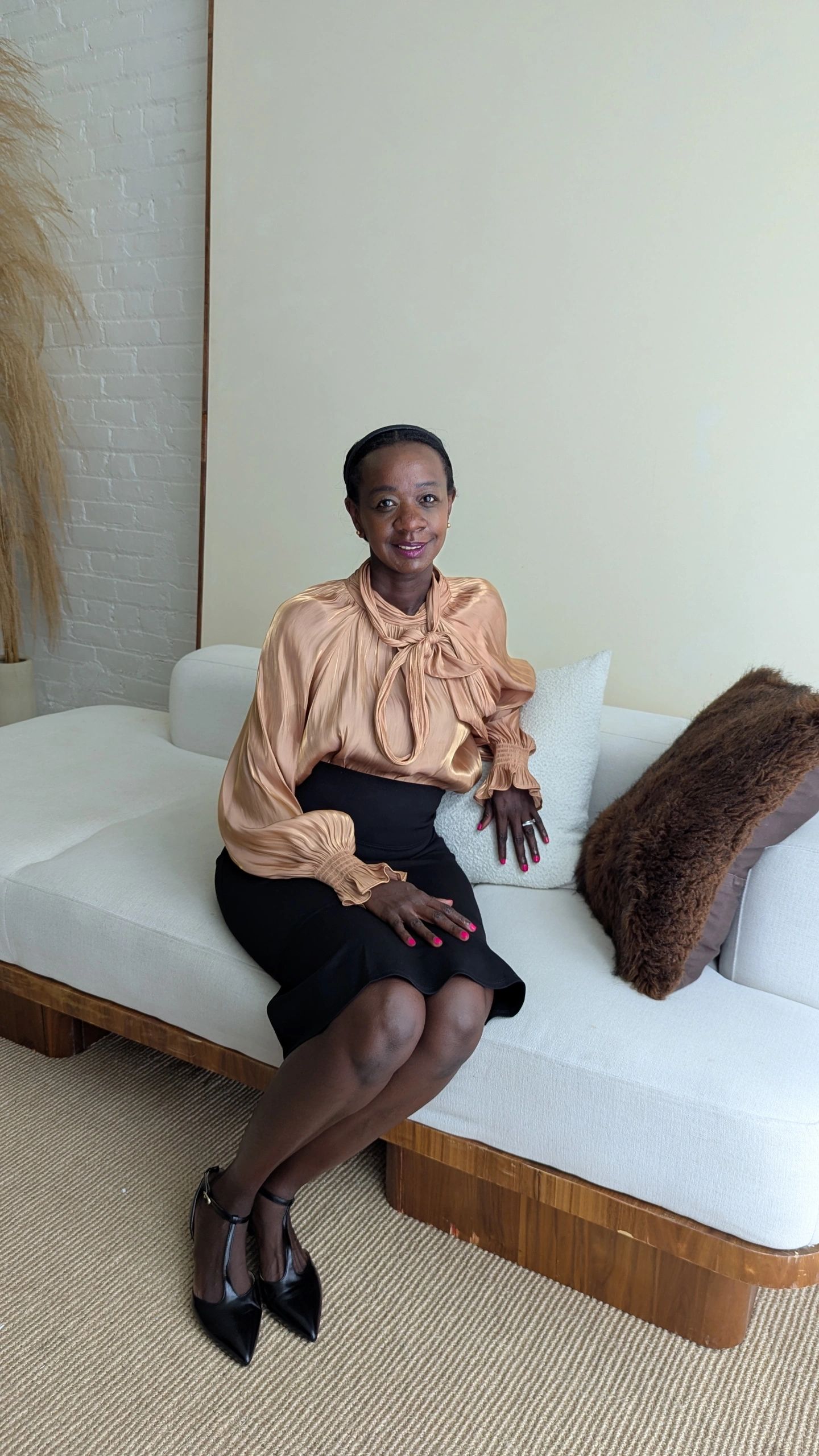
Belonging
This is something I have thought about throughout my career.
I grew up between France and Niger, and later built my career in North America. Moving between cultures taught me how to adapt, observe, and understand different environments.
But when I entered the corporate world in Canada and the US, I realized there were new rules to learn. Many of them were never written down.
I was navigating being an immigrant, French-speaking, African, and a woman building credibility in corporate spaces.
I learned how to code-switch. I adjusted how I communicated. I paid attention to how I showed up in meetings and how I was perceived.
Sometimes it was small moments that reminded me I was different. Being the only person in the room with my background. Questions about my hair. Trying to understand workplace expectations that seemed natural to others but were new to me.
Then came the pandemic. Like many people, I was carrying what was happening in the world while still showing up at work. Projects continued. Meetings continued. But personally, there were moments when it took extra energy to focus and perform while processing everything happening around me.
What made the difference
What made a difference were the people and communities around me. Managers who checked in. Leaders who created space for honest conversations. Employee resource groups, mentors, and allies who helped create environments where people could connect and feel seen.
Those experiences shaped how I think about workplaces today.
Why belonging matters for the business
Code-switching takes energy. Every hour someone spends adjusting, explaining or proving they belong is energy that could go into their work. When people feel they belong, they can focus their energy on doing their best work. They also share ideas more freely, and they stay longer.
5 things leaders can do
- Check in on the person, beyond the project. A simple “how are you really doing?” in a 1 on 1. Why: people bring their whole life to work, especially in hard moments.
- Write down the unwritten rules. How decisions are made, how promotions work, what good looks like. Why: clear rules help everyone, and they help newcomers most.
- Support employee resource groups with time and budget. Why: they give people a community and give leaders honest feedback.
- Notice who speaks in meetings, and invite the quiet voices in. Why: the best idea in the room is sometimes the one nobody heard.
- Ask people what would help them do their best work, then act on what you hear. Why: belonging is built through action, one conversation at a time.
Creating belonging is about creating cultures where people can show up fully, where different backgrounds and experiences are valued, and where people can put their energy into their work.
For leaders and organizations: what are you doing to make sure people from different backgrounds feel they truly belong?
If you want to build this in your team, let’s talk.

Samira Diallo
Bilingual (French/English) people strategy advisor, facilitator and speaker based in Toronto. 15+ years in global tech consulting at Capgemini and Oracle, on the tech project side and the people side.