Performance
Many employees find out how they are really doing on review day. By then, it is too late to fix anything.
For a growing company, this is expensive. A surprise in a review damages trust. Good people start looking elsewhere, and managers spend weeks repairing the relationship.
Why review day goes wrong
- Expectations were never written down, so each person guessed what good looks like
- Feedback was saved up for 1 meeting a year
- Managers were promoted because they were good at the work, and nobody showed them how to give feedback
What good looks like
At any point in the year, every person on your team should be able to answer 3 questions:
- What is expected of me?
- How am I doing right now?
- What do I need to do to grow?
The solution is almost always the same: clear expectations from day 1, and regular check-ins through the year in place of 1 stressful review meeting.
5 steps to get there
- Write clear expectations for every role in the first 30 days. Why: people cannot hit a target they cannot see.
- Hold a short check-in every 2 to 4 weeks. 15 to 20 minutes on progress and blockers. Why: small corrections early prevent big surprises later.
- Give feedback in the same week it happens. Why: feedback lands best while the moment is still fresh.
- Write down what was agreed. A short shared note after each check-in. Why: on review day, nothing is new and both sides have the same record.
- Prepare your managers to lead these conversations. Why: the process only works when managers feel confident running it.
What changes
- The review becomes a summary of conversations you already had
- Fewer surprises, fewer escalations to leadership
- People know what growth looks like and how to get there
If your team does not know where they stand right now, that is worth fixing before your next review cycle.
Want a performance process that works for your team? See how I work with organizations or send me a message.
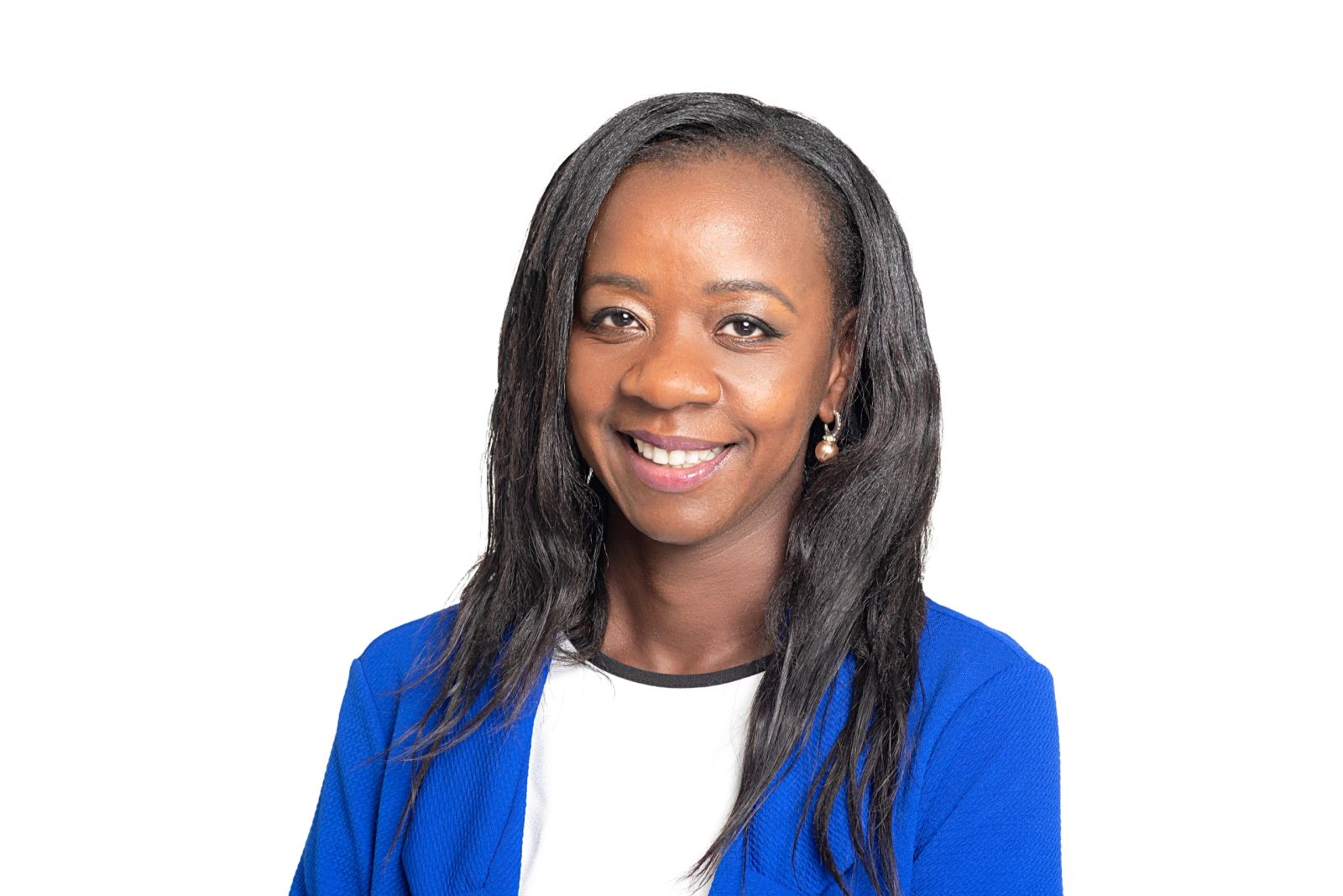
Samira Diallo
Bilingual (French/English) people strategy advisor, facilitator and speaker based in Toronto. 15+ years in global tech consulting at Capgemini and Oracle, on the tech project side and the people side.