Leadership
A growing team reached a point where individual contributors were promoted into manager roles, without much preparation.
Why this moment matters
Promoting your best people into management is a natural step. They know the work and the team trusts them. Leading people is a different job, though. Without support, a company can lose a strong contributor and gain a struggling manager at the same time.
What was happening
- Managers were unsure how to lead former peers
- Feedback conversations were avoided
- Expectations differed across the team
What we did
- Defined what good management looked like for this company. Why: new managers need a clear picture of the job they are being asked to do.
- Created simple manager guidelines, kept light on purpose. Why: busy managers use a short guide they can come back to.
- Introduced a repeatable feedback and check-in rhythm. Why: a routine takes the stress out of hard conversations.
The impact
- Managers felt more confident in their role
- Feedback became clearer and more consistent
- Leadership saw fewer escalations and misunderstandings
Why a founder should care
- Time. Fewer escalations reaching the founder means more time for the business.
- Risk. Consistent expectations across managers lower the chance of unfair treatment and the disputes that follow.
- Retention. A confident first-time manager keeps their team, and the knowledge that team holds.
Signs your new managers need support
- They keep doing the work themselves and struggle to delegate
- Feedback conversations keep getting postponed
- Team members go around them, straight to you
- Each manager sets different expectations for the same role
- You hear about problems late, when they are already big
This is a common moment where fractional people support adds value: building manager capability early, without adding unnecessary layers.
If this sounds like your team, book a free consultation.
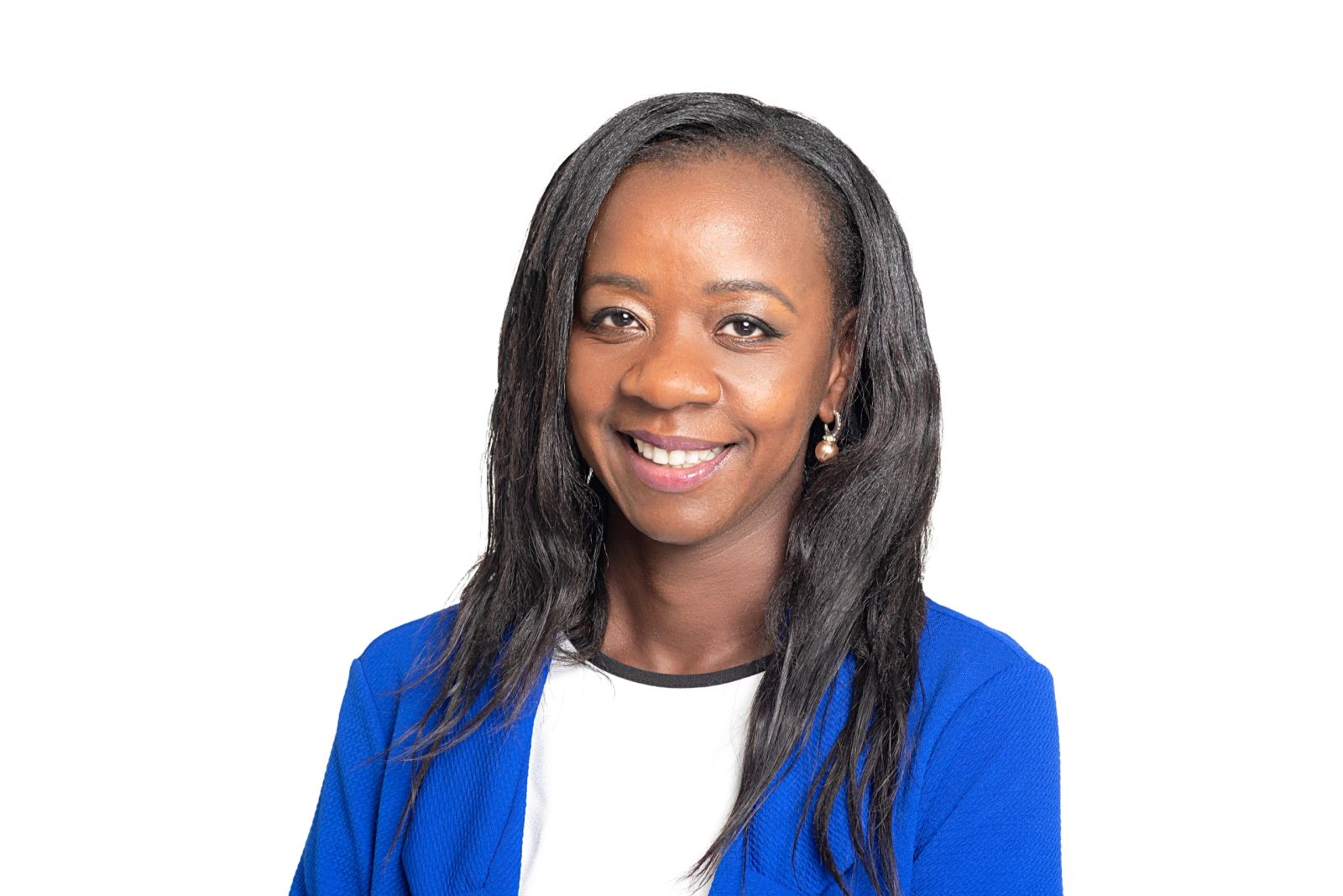
Samira Diallo
Bilingual (French/English) people strategy advisor, facilitator and speaker based in Toronto. 15+ years in global tech consulting at Capgemini and Oracle, on the tech project side and the people side.